Motorcycle wiring is an essential part of the electrical system. It connects the battery, lights, starter motor, ignition system, charging system, sensors, and other electrical components. When the wiring is in good condition, electricity can reach the required components reliably. However, damaged wires, loose connectors, corrosion, and poor electrical connections can cause a wide range of motorcycle problems.
In my opinion, electrical problems can be frustrating because their symptoms often look similar. A motorcycle that refuses to start may have a weak battery, a damaged wire, a faulty relay, or a problem with the ignition system.
Understanding common motorcycle wiring problems and their solutions can help riders recognise warning signs and explain the symptoms more clearly when seeking professional repair.
In this article, I will discuss common wiring faults, their possible causes, basic diagnostic methods, and practical maintenance tips.
What Is Motorcycle Wiring?
Motorcycle wiring is the network of electrical wires and connectors that carries power and control signals throughout the motorcycle.
The wiring harness usually connects the battery to components such as the starter motor, lights, ignition system, horn, instrument panel, and charging system.
Modern motorcycles may also contain sensors, electronic control units, fuel injection components, and safety switches that depend on reliable electrical connections.
A problem in one part of the wiring harness can affect a single component or, in some cases, several systems at once.
1. Loose Battery Connections
Loose battery terminals are among the common causes of motorcycle electrical problems.
The battery must maintain secure electrical connections so that current can flow to the starter motor and other components.
If a terminal becomes loose, the motorcycle may experience intermittent starting problems, flickering lights, or a complete loss of electrical power.
Common Symptoms
You may notice that the motorcycle starts sometimes but fails at other times. Electrical equipment may switch off unexpectedly, especially when the motorcycle moves over bumps.
Possible Solution
Switch off the motorcycle and inspect the battery connections. If the terminals are loose, they should be secured according to the manufacturer’s instructions.
Do not allow metal tools to bridge the battery terminals because this can cause a short circuit.
If the connections are damaged or repeatedly loosen, have them inspected and repaired.
2. Corroded Electrical Connectors
Corrosion can develop on battery terminals, wiring connectors, and ground connections when moisture and environmental contaminants affect exposed metal surfaces.
Corroded connections can increase electrical resistance and interfere with current flow.
Common Symptoms
Possible signs include slow starting, dim lights, intermittent electrical operation, and repeated charging problems.
Possible Solution
Inspect accessible electrical connections for corrosion or visible damage. Clean and protect them using methods and products approved for the motorcycle and connector type.
Disconnect the battery according to the manufacturer’s procedure before cleaning electrical connections.
Do not apply random chemicals to electrical connectors because some products can damage seals, plastics, or contact surfaces.
If corrosion has damaged the connector itself, replacement may be necessary.
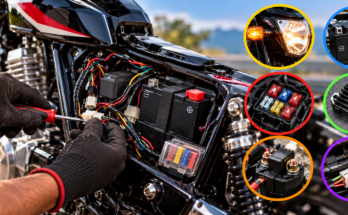
3. Blown Motorcycle Fuses
Fuses protect electrical circuits by interrupting current when it exceeds a specified level.
If a fuse blows, the electrical component or circuit it protects may stop working. For example, the headlight, horn, or another electrical function may fail, depending on the circuit.
Common Symptoms
One or more electrical components may stop operating suddenly while other parts of the motorcycle continue working normally.
Possible Solution
Consult the owner’s manual to identify the correct fuse and circuit. Replace a blown fuse only with one of the specified type and rating.
If the replacement fuse blows again, there may be a short circuit, overloaded circuit, or damaged component.
Never install a fuse with a higher rating to prevent it from blowing. Doing so can allow excessive current to damage wiring and create a fire risk.
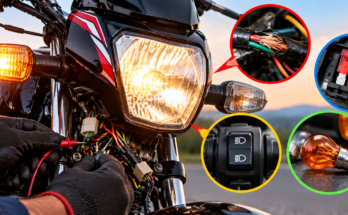
4. Damaged or Broken Wires
Motorcycle wires can become damaged because of vibration, friction, heat, moisture, accidental pulling, or improper previous repairs.
A wire may break internally even when its outer insulation appears mostly intact.
Common Symptoms
A damaged wire may cause intermittent lights, starting problems, a nonworking horn, or electrical equipment that operates only when the handlebars or motorcycle move into a particular position.
Possible Solution
Inspect accessible wiring for cuts, exposed conductors, crushed insulation, or signs of heat damage.
Do not continue riding if exposed wiring creates a short circuit risk or affects essential equipment.
Damaged wires should be repaired using the correct wire type, connector, insulation, and routing method. Serious wiring harness damage should be handled by a qualified motorcycle electrician.
5. Motorcycle Grounding Problems
A ground connection completes the electrical circuit by providing the required return path for current.
If a ground wire or connection becomes loose, corroded, or damaged, electrical components may operate intermittently or fail altogether.
Common Symptoms
Grounding problems can cause dim lights, slow cranking, flickering instruments, or several electrical faults that appear unrelated.
Possible Solution
Check the grounding connections specified in the service manual. Inspect for looseness, corrosion, or damaged cables.
Ground connections should be cleaned and secured using the correct procedure.
Because grounding faults can affect multiple systems, professional diagnosis may be helpful when the symptoms are difficult to identify.
6. Short Circuits in Motorcycle Wiring
A short circuit occurs when electrical current follows an unintended path, often because insulation is damaged or conductors make contact where they should not.
Short circuits can cause blown fuses, overheating wires, electrical failures, and potentially fires.
Common Symptoms
A fuse may blow repeatedly, a wire may become unusually hot, or an electrical component may stop working immediately after the circuit is activated.
A burning smell or visible smoke can indicate a serious electrical fault.
Possible Solution
Switch off the motorcycle and stop using it if a short circuit is suspected. Do not repeatedly replace the fuse without identifying the underlying problem.
A qualified electrician can use the wiring diagram and appropriate testing equipment to locate the fault safely.
Never bypass a fuse or leave damaged wiring exposed.
7. Faulty Ignition Wiring
The ignition system helps initiate engine combustion. Depending on the motorcycle, it may include an ignition coil, spark plug connections, sensors, an ignition switch, and electronic control components.
Faulty wiring in this system can interrupt the signals or electrical power needed for proper engine operation.
Common Symptoms
The motorcycle may fail to start, misfire, stall unexpectedly, or experience intermittent engine operation.
These symptoms can also result from fuel delivery problems, a weak battery, a faulty spark plug, or another engine issue.
Possible Solution
Check for loose or visibly damaged ignition connections. Follow the manufacturer’s diagnostic procedure before replacing components.
Ignition systems can involve high voltage, so avoid touching ignition leads or coil connections while the system is operating.
If the fault persists, professional diagnosis can help distinguish a wiring problem from a defective ignition component.
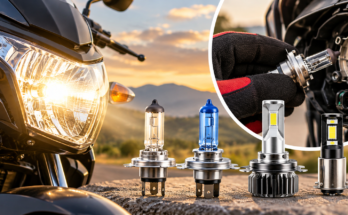
8. Headlight and Indicator Wiring Problems
Headlights and indicators are important for visibility and communication with other road users.
Electrical problems can cause a headlight to flicker, an indicator to stop flashing, or a lighting circuit to fail completely.
Common Symptoms
You may notice dim lighting, intermittent operation, a nonworking indicator, or lights that fail when the motorcycle moves.
Possible Solution
Check the bulb where applicable, the fuse, accessible connectors, and wiring. LED lighting systems may require different diagnostic methods from traditional bulbs.
If a headlight or indicator repeatedly fails, inspect the circuit rather than continually replacing the bulb.
Do not ride at night or in conditions where visibility is inadequate because of a faulty lighting system.
9. Charging System Wiring Problems
The charging system supplies electrical power while the engine is running and helps recharge the battery.
Loose connectors, damaged wiring, or poor ground connections between the alternator, regulator rectifier, and battery can interrupt charging.
Common Symptoms
The battery may repeatedly become weak, the charging warning light may remain on, or the motorcycle may develop electrical problems after a period of riding.

Possible Solution
Inspect the charging system connectors and battery terminals for visible damage or corrosion.
A suitable multimeter and the manufacturer’s service instructions can help check charging voltage and identify wiring faults.
If the battery repeatedly loses charge, have the complete charging system tested. The problem may involve the battery, alternator, regulator rectifier, or wiring.
10. Faulty Ignition Switch or Starter Button
The ignition switch and starter button control important electrical circuits.
With frequent use, exposure to moisture, dirt, or internal wear, these switches can develop faults.
Common Symptoms
The motorcycle may fail to power on, the starter may not respond, or the electrical system may work intermittently when the switch is operated.
Possible Solution
Check whether the problem is caused by a discharged battery, a blown fuse, or a loose connection before assuming the switch has failed.
Switches should be tested according to the motorcycle’s wiring diagram. Replace defective components with compatible parts.
Avoid bypassing safety switches or modifying the starter circuit without proper knowledge.
How to Diagnose Motorcycle Wiring Problems
Basic inspection can help identify visible faults, but electrical diagnosis should follow a systematic process.
- Describe the symptom. Identify which components fail and whether the problem happens continuously or intermittently.
- Inspect the battery. Check its condition and the security of its terminals.
- Check the correct fuse. Use the owner’s manual to identify the circuit and fuse rating.
- Inspect visible wiring. Look for corrosion, damaged insulation, loose connectors, and heat marks.
- Use suitable testing equipment. A multimeter can measure voltage and continuity when used correctly.
- Consult the wiring diagram. The manufacturer’s diagram helps identify the relevant circuit and connection points.
- Seek professional help when necessary. Complex faults involving electronic control units, fuel injection, or charging systems may require specialist equipment.
Never perform resistance or continuity tests on an energised circuit unless the testing procedure specifically permits it. Disconnect power as directed by the service manual.
Tips to Prevent Motorcycle Wiring Problems
Good maintenance can reduce the likelihood of electrical faults.
Keep connectors protected: Make sure connectors are properly secured and their seals are intact.
Avoid poor modifications: Incorrect accessory installations can overload circuits or damage the wiring harness.
Inspect after repairs: Ensure wires are routed away from hot engine parts, sharp edges, and moving components.
Protect against moisture: Follow the manufacturer’s recommendations for cleaning and protecting electrical components.
Use correct replacement parts: Fuses, connectors, cables, and electrical components must match the required specifications.
Address problems early: Repeated fuse failures, flickering lights, and burning smells should never be ignored.
Frequently Asked Questions
Why does my motorcycle keep blowing fuses?
Repeatedly blown fuses may indicate a short circuit, damaged wiring, an overloaded circuit, or a faulty component. The underlying problem must be identified before the fuse is replaced again.
Can bad wiring prevent a motorcycle from starting?
Yes. Damaged starter wiring, a faulty ignition switch, poor grounding, or loose battery connections can prevent the motorcycle from starting.
Can I repair motorcycle wiring myself?
Simple inspections may be manageable for someone with the appropriate knowledge. However, complex wiring faults, damaged harnesses, and problems involving electronic control systems should be handled by a qualified technician.
Is motorcycle wiring affected by rain?
Motorcycle electrical systems are generally designed for normal exposure to weather, but damaged seals, poorly installed accessories, and exposed connectors can allow moisture to cause problems.
Conclusion
Common motorcycle wiring problems include loose battery connections, corroded connectors, blown fuses, damaged wires, poor grounding, short circuits, and charging system faults.
In my opinion, the best approach is to identify the cause of an electrical problem instead of replacing parts randomly. Many symptoms look similar, so checking the battery, fuses, wiring, and relevant connections can help narrow down the issue.
Regular inspection and correct repairs can improve electrical reliability and reduce the risk of further damage. If you notice burning smells, smoke, overheating wires, or repeated fuse failures, stop using the motorcycle and arrange a professional inspection.