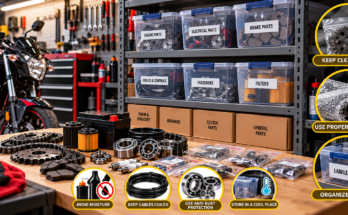
Motorcycle bearings are small but important components that help different parts of a motorcycle move smoothly. They reduce friction, support rotating components, and help maintain proper alignment during operation. Bearings are used in several areas, including the wheels, engine, steering system, and transmission.
Although bearings are not always visible during everyday riding, their condition can affect the motorcycle’s handling, performance, and reliability. Worn or damaged bearings may cause unusual noises, vibration, excessive movement, or difficulty controlling the motorcycle.
Understanding motorcycle bearing types, their functions, and basic maintenance can help riders identify potential problems before they become more serious. In this article, I will explain how motorcycle bearings work, where they are used, and how to care for them properly.
What Are Motorcycle Bearings?
A bearing is a mechanical component that supports movement between two parts while reducing friction. Many motorcycle bearings contain rolling elements, such as balls or rollers, positioned between inner and outer rings. Other designs use sliding surfaces instead of rolling elements.
Bearings help rotating components move with less resistance while carrying the loads created during operation. Different bearings are designed for different combinations of radial loads, axial loads, speed, and operating conditions.
For example, wheel bearings support the wheel as it rotates, while steering head bearings allow the handlebars and front fork assembly to turn smoothly.
Every bearing has a specific purpose, so the correct type and size must be used during replacement.
Common Types of Motorcycle Bearings
Motorcycles use several types of bearings. The design depends on the component being supported and the forces it experiences.
Ball Bearings
Ball bearings use small spherical balls between two rings. They are commonly used in applications where smooth rotation and relatively low friction are important.
Depending on their design, ball bearings can support radial loads and some axial loads. They may be found in wheels, engines, and other rotating assemblies.
The exact bearing specification matters because different designs have different load capacities and operating limits. A ball bearing that fits physically may still be unsuitable for a particular application.
Roller Bearings
Roller bearings use cylindrical or other shaped rolling elements instead of spherical balls. Their larger contact area can allow them to support heavier radial loads in suitable applications.
Different roller bearing designs are used for different mechanical requirements. Some support primarily radial loads, while others are designed to handle combined radial and axial loads.
Motorcycle engines and transmissions may use specific roller bearing arrangements according to the manufacturer’s design. Replacement should always follow the correct part number and service specifications.
Tapered Roller Bearings
Tapered roller bearings use cone shaped rollers and raceways. Their design allows them to support combined radial and axial loads.
They are commonly associated with steering head assemblies on motorcycles that use this type of bearing. Proper adjustment is important because excessive looseness can affect steering precision, while excessive tightness can make steering stiff.
Not every motorcycle uses tapered roller bearings in every location. Always confirm the bearing design specified for your model.
Needle Roller Bearings
Needle roller bearings use long, thin cylindrical rollers. Their compact design can support substantial radial loads in limited spaces.
They are useful in certain engine and transmission applications where space is restricted. Some motorcycle suspension or linkage designs may also use needle bearings.
Because these bearings can operate in specific lubrication and alignment conditions, installation must follow the manufacturer’s instructions.
Plain Bearings and Bushings
Not all bearings contain balls or rollers. Plain bearings, often called bushings, support movement through sliding contact between surfaces.
They may be used in suspension linkages, pivots, and some engine components, depending on the motorcycle design.
These parts have their own lubrication, clearance, and wear requirements. A worn bushing may cause movement or noise even when nearby rolling bearings are in good condition.
Main Functions of Motorcycle Bearings
Bearings perform several important functions throughout a motorcycle.
First, they reduce friction between moving components. Lower friction helps parts move efficiently and reduces unnecessary heat and wear.
Second, bearings support loads. Wheel bearings, for example, support forces created by the motorcycle’s weight, the rider, road surfaces, braking, and cornering.
Third, bearings help maintain alignment. Correct alignment allows wheels, shafts, and other rotating components to operate as intended.
Finally, bearings contribute to smooth operation. Damaged bearings can cause noise, vibration, rough movement, or unwanted play.
Although bearings are often designed to last a long time, they can wear prematurely if they are contaminated, incorrectly installed, overloaded, or poorly lubricated.

Signs of Worn or Damaged Motorcycle Bearings
Recognizing bearing problems early can help prevent additional damage.
Unusual Noise
A worn bearing may produce humming, grinding, rumbling, or clicking sounds. The noise may change with wheel speed or engine operation, depending on the bearing’s location.
However, similar sounds can come from tyres, chains, brakes, or other components. A noise alone does not confirm that a bearing has failed.
Excessive Movement
A bearing that has developed excessive clearance may allow a wheel, steering assembly, or shaft to move more than intended.
Any unexpected play in a wheel or steering system should be investigated promptly because these components are important for safe handling.
Rough Rotation
When inspected using the manufacturer’s recommended procedure, a damaged bearing may feel rough or notchy rather than moving smoothly.
Do not attempt to diagnose every bearing by spinning the wheel alone. Seals, brake pads, and drivetrain resistance can affect how freely a wheel rotates.
Vibration or Poor Handling
Damaged wheel or steering bearings may contribute to vibration, unstable handling, or imprecise steering. These symptoms can also be caused by tyres, wheel alignment, suspension, or other problems.
If the motorcycle develops sudden handling changes or suspected bearing damage, stop riding and arrange a professional inspection.
How to Maintain Motorcycle Bearings
Follow the Manufacturer’s Maintenance Schedule
The correct maintenance requirements depend on the bearing type and its location. Some bearings are sealed and designed to operate without routine lubrication, while others require specific grease or oil supplied through the relevant system.
Follow the motorcycle’s service manual rather than applying lubricant to every bearing automatically.
Keep Water and Dirt Away
Water, dust, mud, and other contaminants can damage bearing surfaces and interfere with lubrication.
Clean the motorcycle carefully, particularly around wheel hubs and exposed components. Avoid directing high pressure water at bearing seals because water may be forced past them.
After riding through deep water or muddy conditions, inspect the relevant areas if the motorcycle manufacturer’s guidance recommends it.
Use the Correct Lubricant
Bearings that require lubrication must receive the specified lubricant and quantity. Using the wrong grease or oil can affect performance, while excessive lubrication may create problems in certain applications.
Sealed bearings should not be opened or filled with grease unless the manufacturer specifically permits servicing.
Check Seals and Surrounding Components
Bearing seals help keep lubricant inside and contaminants outside. Damaged seals can allow moisture and dirt to enter the bearing.
During maintenance, look for damaged seals, corrosion, leakage, and unusual movement. Replace defective seals according to the service instructions.
Ensure Correct Installation
Incorrect installation can damage a bearing before the motorcycle is even used. Applying force through the rolling elements, using unsuitable tools, or installing a bearing at the wrong angle may damage its surfaces.
Bearings should be installed using the correct tools and manufacturer procedure. If you lack the equipment or experience, use a qualified motorcycle mechanic.
Choosing the Right Replacement Bearing
When replacing a motorcycle bearing, check the exact part number, dimensions, bearing type, load rating, clearance, and sealing arrangement where applicable.
The original bearing number may be printed on the component, but it should still be checked against the motorcycle manufacturer’s specifications.
Do not select a bearing only because its dimensions appear similar. Two bearings with matching external measurements may have different internal designs or load capacities.
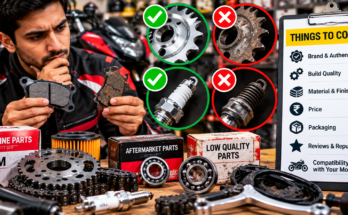
Buy from a reputable supplier and check the packaging, identification, and product condition before installation. Avoid bearings with corrosion, damaged seals, or unclear specifications.
Conclusion
Motorcycle bearings support smooth rotation, carry loads, and help maintain alignment in important systems. Ball bearings, roller bearings, tapered roller bearings, needle roller bearings, and plain bearings each serve different purposes.
Regular inspection, appropriate lubrication, clean operating conditions, and correct installation can help extend bearing life. Pay attention to unusual noise, rough movement, excessive play, and changes in handling.
If you suspect a problem with a wheel or steering bearing, have the motorcycle inspected before continuing to ride. Choosing the correct replacement and following the manufacturer’s service instructions can help maintain reliable motorcycle performance.