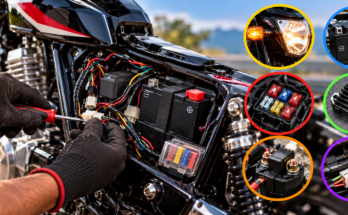
The motorcycle regulator rectifier is an important part of the electrical charging system. It helps convert electricity generated by the alternator into a form that the battery and electrical components can use. It also regulates charging voltage to help prevent the battery from receiving an unsuitable voltage level.
When the regulator rectifier works correctly, it helps maintain battery charge and supports the motorcycle’s electrical equipment. However, when this component fails, the battery may become weak, lights may behave unusually, and electrical problems may develop.
In my opinion, many riders confuse regulator rectifier problems with battery failure. They may replace the battery several times without identifying the actual cause of the problem. Understanding how the regulator rectifier works can help riders make better maintenance decisions.
In this article, I will explain its function, common failure symptoms, possible causes, testing methods, and replacement considerations.
What Is a Motorcycle Regulator Rectifier?
A motorcycle regulator rectifier is an electrical component that performs two important functions. The rectifier converts alternating current into direct current, while the regulator controls the charging voltage.
Many motorcycle alternators generate alternating current, commonly known as AC. However, the battery and most motorcycle electrical systems require direct current, or DC.
The rectifier changes the alternator’s AC output into DC. The regulator then helps maintain the voltage within the operating range specified for the motorcycle.
The regulator rectifier works alongside the alternator, battery, wiring, and electrical loads. A problem with any of these components can affect charging performance.
How Does a Motorcycle Regulator Rectifier Work?
When the engine runs, the alternator generates electrical power. The amount of power produced generally changes with engine speed and the design of the charging system.
The regulator rectifier receives this electrical output and processes it.
First, the rectifier converts AC into DC. Next, the regulator controls the voltage supplied to the electrical system.
The regulated output helps charge the battery while also supplying power to components such as the lights, instruments, ignition system, and fuel injection system where fitted.
If the voltage is too low, the battery may not charge adequately. If it is too high, the battery and electrical equipment may be damaged.
The regulator rectifier helps manage these conditions, although it cannot compensate for every fault in the charging system.
Main Functions of a Motorcycle Regulator Rectifier
1. Converting AC Into DC
The rectifier section converts the alternator’s alternating current into direct current suitable for the battery and other DC electrical components.
Without the required conversion, the charging system may not operate as intended.
2. Controlling Charging Voltage
The regulator helps prevent charging voltage from becoming excessively high or remaining too low under normal operating conditions.
This function is important because motorcycle batteries have specific charging requirements.
3. Supporting Battery Life
A correctly operating regulator rectifier helps the battery receive suitable charging voltage.
Undercharging can leave the battery repeatedly discharged, while overcharging can accelerate deterioration or cause physical damage.
4. Supporting Electrical Components
The motorcycle’s electrical equipment depends on a stable power supply. A faulty regulator rectifier can cause voltage problems that affect multiple systems.
Common Symptoms of a Faulty Motorcycle Regulator Rectifier
1. Motorcycle Battery Keeps Going Flat
One common sign is a battery that repeatedly loses charge.
If the regulator rectifier fails to deliver adequate charging voltage, the battery may gradually discharge while the motorcycle is being used.
However, an old battery, damaged alternator, poor wiring connection, or electrical drain can cause the same problem.
A proper charging system test is necessary before replacing components.
2. Battery Overcharging
A regulator rectifier can also fail in a way that allows excessive charging voltage.
Overcharging may cause a lead acid battery to lose electrolyte, become unusually hot, swell, or deteriorate prematurely. Other battery technologies can also be damaged by charging outside their permitted limits.
If the battery case is swollen or unusually hot, stop using the motorcycle and arrange a professional inspection.
Do not continue charging a visibly damaged battery.
3. Headlights Become Unusually Bright or Dim
Unusual changes in headlight brightness can indicate unstable voltage.
A faulty regulator rectifier may cause voltage to rise or fall outside the normal operating range. However, damaged wiring, poor ground connections, and battery problems can also affect lighting.
If the headlight flickers or changes brightness unexpectedly, inspect the charging system rather than assuming the bulb is defective.
4. Electrical Components Behave Unusually
A motorcycle may experience flickering dashboard lights, instrument resets, warning indicators, or other electrical irregularities when the supply voltage is unstable.
Modern motorcycles can be sensitive to low or excessive voltage because their electronic systems rely on suitable electrical power.
If several electrical components begin malfunctioning at the same time, the battery and charging system should be checked.
5. Difficulty Starting the Motorcycle
A faulty regulator rectifier can indirectly cause starting problems by allowing the battery to become discharged.
The starter motor may turn slowly, click without cranking the engine, or fail to operate.
However, these symptoms can also result from a defective battery, starter relay, starter motor, or damaged wiring.
Testing the battery and charging system together can help identify the underlying cause.
6. Repeated Battery Replacement
If a replacement battery becomes weak soon after installation, it is worth investigating the charging system.
A failed regulator rectifier may damage a new battery through undercharging or overcharging.
Before buying another battery, have the battery condition, charging voltage, alternator output, and wiring checked.
7. Burning Smell or Unusual Heat
A damaged regulator rectifier, poor electrical connection, or overloaded circuit may produce excessive heat.
If you notice a burning smell, melted connector, smoke, or unusual heating around electrical components, stop using the motorcycle and arrange a safe inspection.
Do not touch components that may be hot or electrically damaged.

Common Causes of Regulator Rectifier Failure
Several factors can contribute to regulator rectifier problems.
Excessive heat: Electrical components can deteriorate when they operate at temperatures beyond their design limits.
Poor ventilation: Some regulator rectifiers depend on their mounting location and airflow to manage heat.
Damaged connectors: Loose or corroded terminals can increase resistance and produce heat.
Charging system faults: Problems with the alternator or associated wiring can affect regulator rectifier operation.
Water or corrosion: Damaged seals and exposed connections may allow moisture to affect the electrical system.
Age and component wear: Internal electronic components can eventually fail through normal use or environmental stress.
The exact cause varies between motorcycle models, so diagnosis should follow the manufacturer’s service information.
How to Test a Motorcycle Regulator Rectifier
A multimeter can help check charging system performance, but the correct procedure depends on the motorcycle.
Step 1: Inspect the Connections
Check the battery terminals, regulator rectifier connector, ground connections, and visible wiring for corrosion, looseness, or damage.
Step 2: Check the Battery
Measure the battery’s resting voltage using the manufacturer’s recommended procedure. If the battery is weak or damaged, this should be taken into account during diagnosis.
Step 3: Measure Charging Voltage
If the service manual permits it, measure the voltage at the battery with the engine running under the specified conditions.
Compare the readings with the manufacturer’s figures. Charging voltage varies according to the motorcycle’s design, engine speed, battery type, and electrical load.
Step 4: Test the Alternator
A mechanic may test the alternator output and stator windings to determine whether the alternator is producing the expected electrical power.
Step 5: Evaluate the Regulator Rectifier
If the battery, alternator, and connections are in good condition but charging remains outside the specified range, the regulator rectifier may be faulty.
Avoid relying on one voltage reading alone. A complete test is more reliable than replacing a component based on a single symptom.
How to Choose a Replacement Regulator Rectifier
When selecting a replacement, check the motorcycle’s exact model, year, connector arrangement, mounting points, and electrical specifications.
An inexpensive unit that looks similar may not be electrically compatible.
Consider a reputable manufacturer or a suitable original equipment replacement. Also inspect the wiring harness and connectors because a damaged connection may affect the new component.
Installation should follow the manufacturer’s instructions. Incorrect wiring can damage the regulator rectifier, battery, and other electrical components.
Tips to Prevent Charging System Problems
- Keep battery terminals clean and secure.
- Inspect charging system connectors regularly.
- Repair damaged wiring promptly.
- Use a compatible battery and charger.
- Investigate repeated battery discharge.
- Follow the manufacturer’s electrical maintenance schedule.
- Avoid installing electrical accessories that exceed the system’s capacity.
Frequently Asked Questions
Can a faulty regulator rectifier destroy a motorcycle battery?
Yes. Undercharging can repeatedly discharge the battery, while overcharging can cause damage. However, battery failure may also result from age, poor maintenance, or other electrical faults.
Can I ride with a bad regulator rectifier?
It is not advisable to continue riding with a confirmed charging system fault. The battery may become discharged, electrical systems may malfunction, and overcharging may cause additional damage.
Is a regulator rectifier the same as an alternator?
No. The alternator generates electricity, while the regulator rectifier converts and regulates the electrical output for the charging system.
How do I know whether the regulator rectifier or alternator is faulty?
A complete charging system test can help distinguish between a regulator rectifier fault, an alternator problem, a weak battery, and wiring damage.
Conclusion
The motorcycle regulator rectifier converts alternating current into direct current and regulates the charging voltage supplied to the battery and electrical system.
Common failure symptoms include repeated battery discharge, overcharging, unusual lighting behaviour, electrical malfunctions, and difficulty starting the motorcycle.
In my opinion, riders should investigate repeated battery problems before replacing the battery again. Checking the alternator, regulator rectifier, battery, and wiring together can help identify the actual fault.
Regular inspection and correct replacement parts can help maintain reliable electrical performance. If you notice excessive voltage, a swollen battery, burning smells, or damaged connectors, stop using the motorcycle until the problem has been assessed.